
Email data security for group email environments requires encryption in transit, strict access controls, GDPR-compliant data retention policies, and proper member management. Unlike individual email accounts, mailing lists multiply risk – one breach exposes every member’s address, and one careless forward can leak sensitive discussions to unintended recipients.

Cloud email security is easy to underestimate because so much of it sits in the background, unnoticed until something goes wrong. But for organizations that rely on shared inboxes, mailing lists, and group communication, the risks are not theoretical.

When someone asks whether your email is “encrypted”, they are usually asking a harder question: can you prove your messages are protected in the way your policy assumes, even when they go to an email list, get forwarded, or land in an archive.

Email is still one of the most common ways you communicate with colleagues, clients, and members. But when messages contain personal data, financial information, legal material, or internal discussions, an important question arises: is email secure for sensitive data?
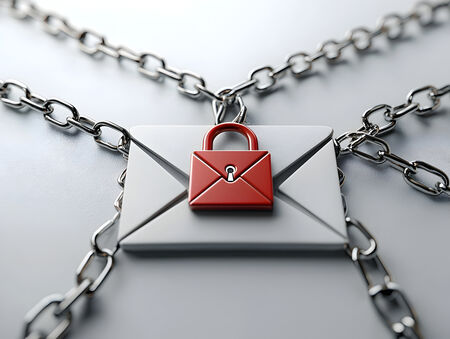
Authenticated Received Chain (ARC) is an email authentication protocol that preserves verification results when messages pass through intermediate servers like mailing lists or forwarding services.

Email remains a core communication channel for universities, legal firms, associations, and other institutions. It is reliable, widely understood, and deeply embedded in day-to-day operations.

For many organizations, the highest-risk emails are not one-to-one messages. They are the messages sent to groups: policy updates, legal notices, member communications, and operational alerts that reach hundreds or thousands of people at once.

If you regularly need to contact a large group of people, whether it’s school staff, parents, club members, or colleagues, finding the best email services to send bulk email is essential.

Mass emailing once meant blasting the same message to thousands of people and hoping for the best. Those days are long gone. In 2025, mass email services have evolved into intelligent communication platforms built on segmentation, personalization, and automation.

If you want to improve the results of your email marketing campaigns, you first need to understand how they’re performing. Open rate and click rate are two important metrics that help you understand how well your emails are working and how engaged your audience is.

Email is an important part of the digital marketing landscape, yet its potential is often undervalued – especially in the legal sector.
Email is still one of the most powerful business tools around — and in 2025, it’s more important than ever. With more than 90% of organisations relying on email as a key part of their operations, it’s the go-to for communication, collaboration, and outreach.